
RevenueQuantum Lab
Revenue by Segment
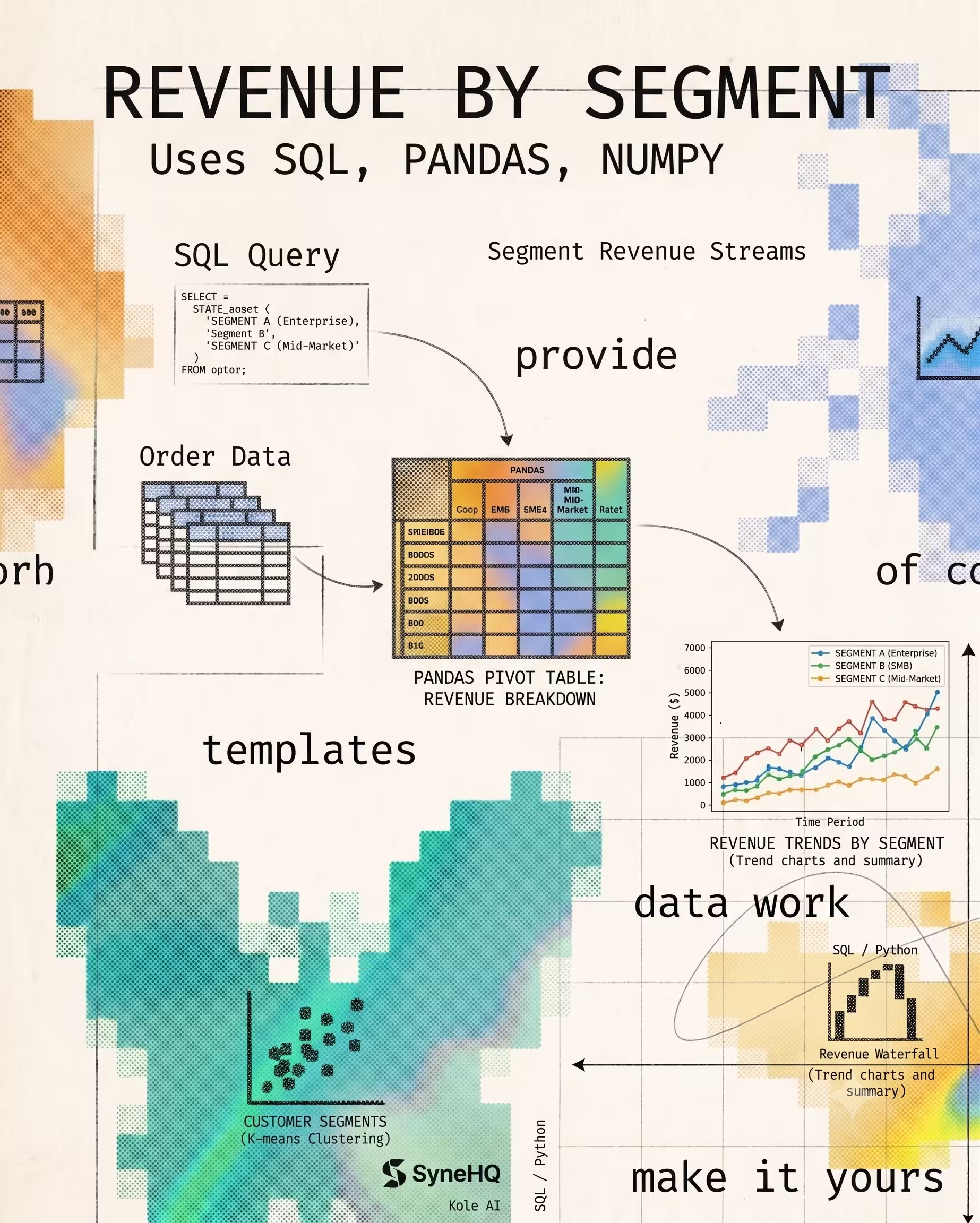
Break down revenue by customer segment across time periods. Uses SQL to pull order data and pandas to pivot by segment, with trend charts and a written summary.
pandasnumpy
Open notebookQuantum Lab · 35 working templates
From pricing analysis to customer segmentation, these Quantum Lab templates give you a working starting point with SQL, Python, charts, and Kole. Open one and make it yours.
Explore Cohort Retention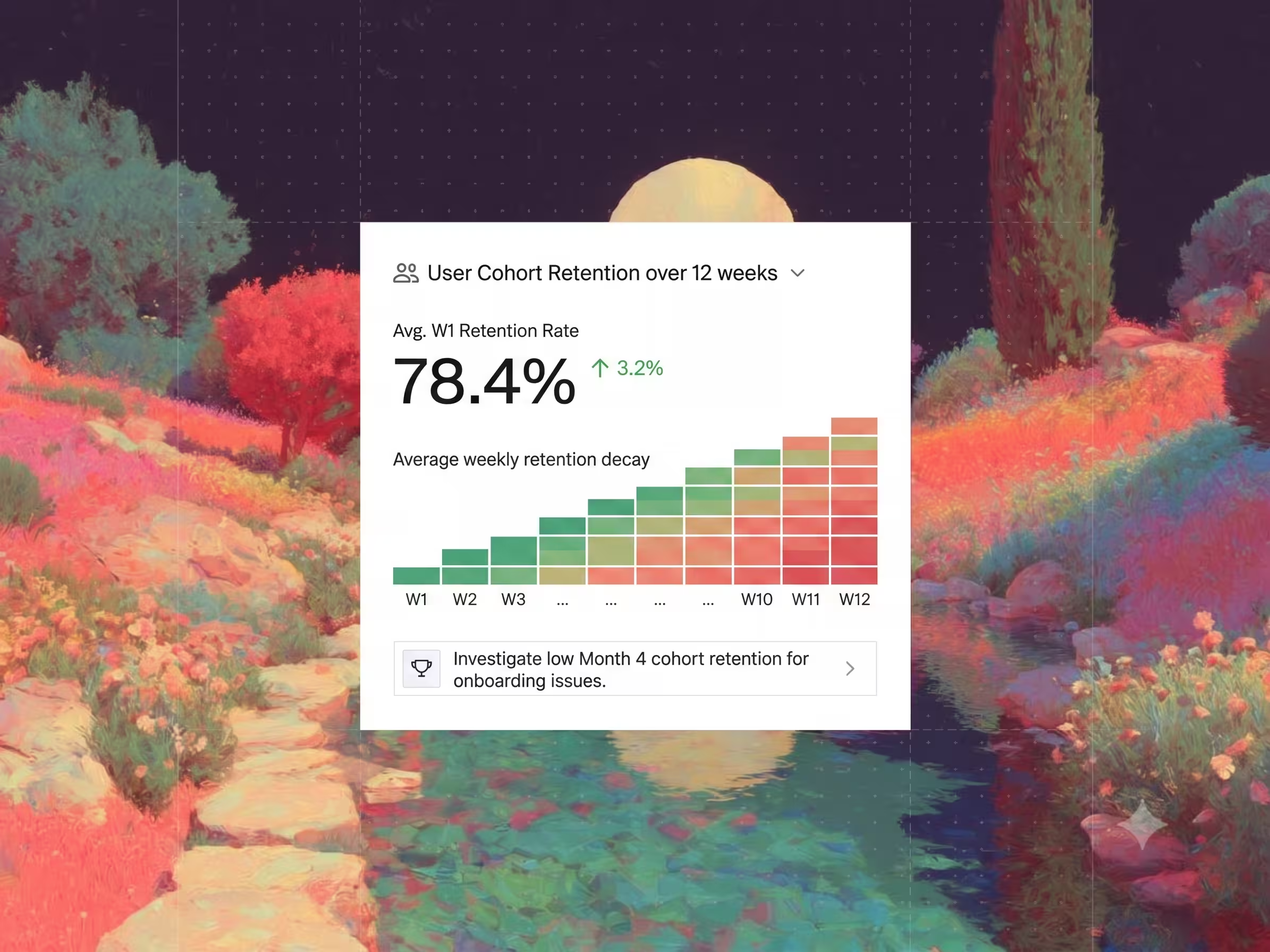
35 templates
RevenueQuantum Lab
Break down revenue by customer segment across time periods. Uses SQL to pull order data and pandas to pivot by segment, with trend charts and a written summary.

RevenueQuantum Lab
Visualize quarter-over-quarter revenue changes by source. Identifies which segments drove growth or contraction with a waterfall chart.
RevenueQuantum Lab
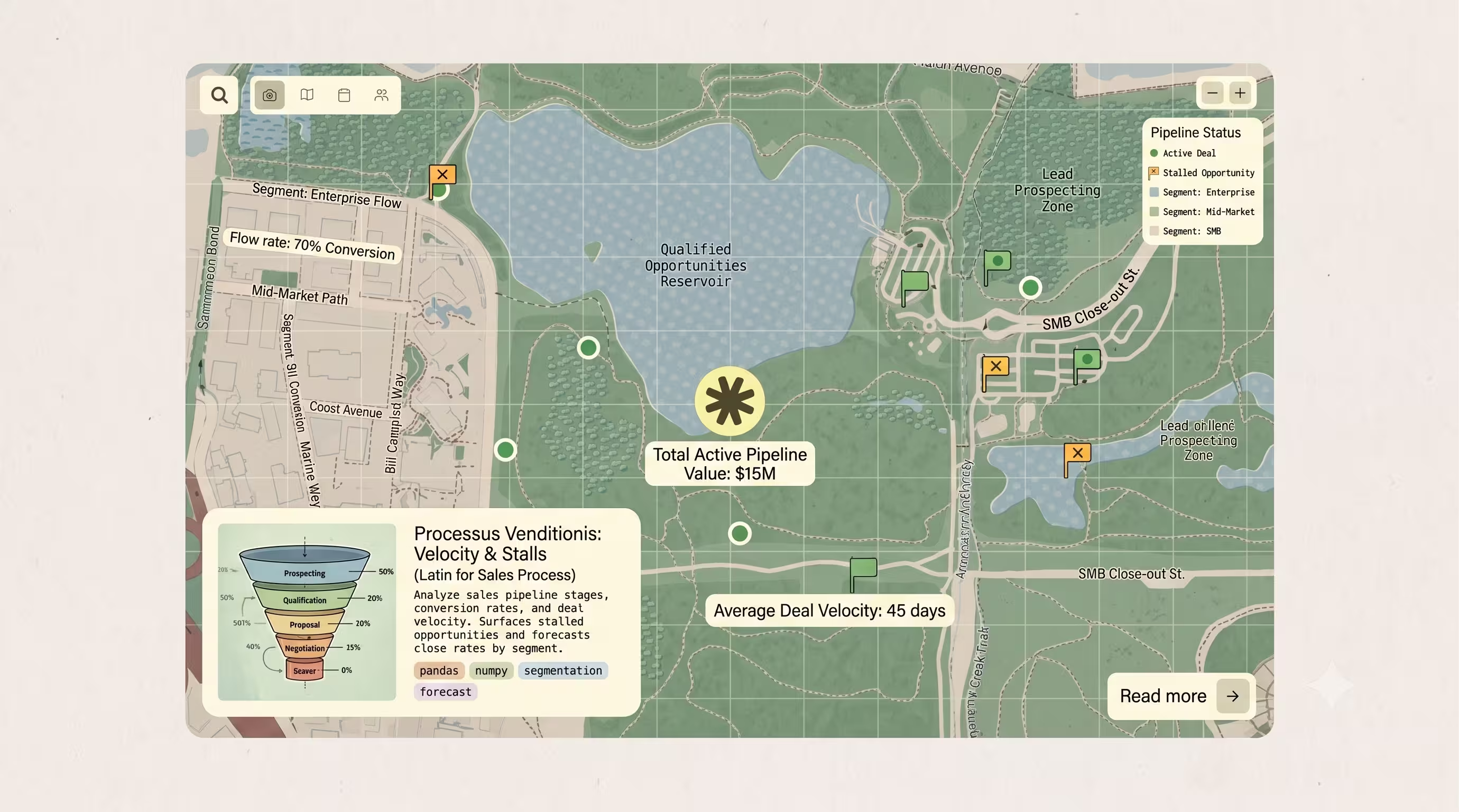
Analyze sales pipeline stages, conversion rates, and deal velocity. Surfaces stalled opportunities and forecasts close rates by segment.
Customer AnalyticsQuantum Lab
Track user retention by signup cohort over weeks or months. Builds a retention matrix and heatmap from event data with pandas.
Customer AnalyticsQuantum Lab
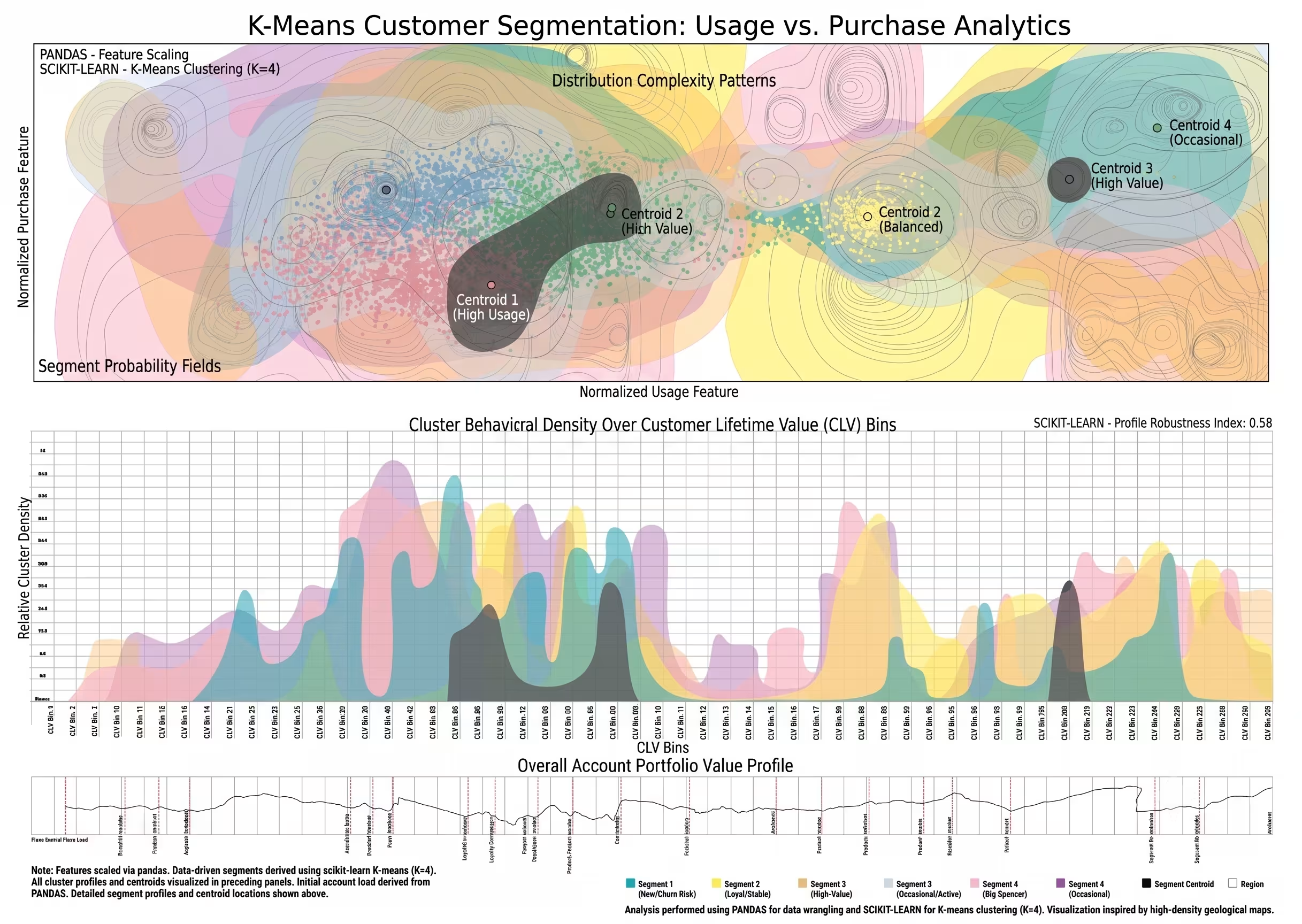
Group accounts by behavior using K-means clustering. Loads usage and purchase data, normalizes features, and visualizes clusters with scatter plots.
Customer AnalyticsQuantum Lab
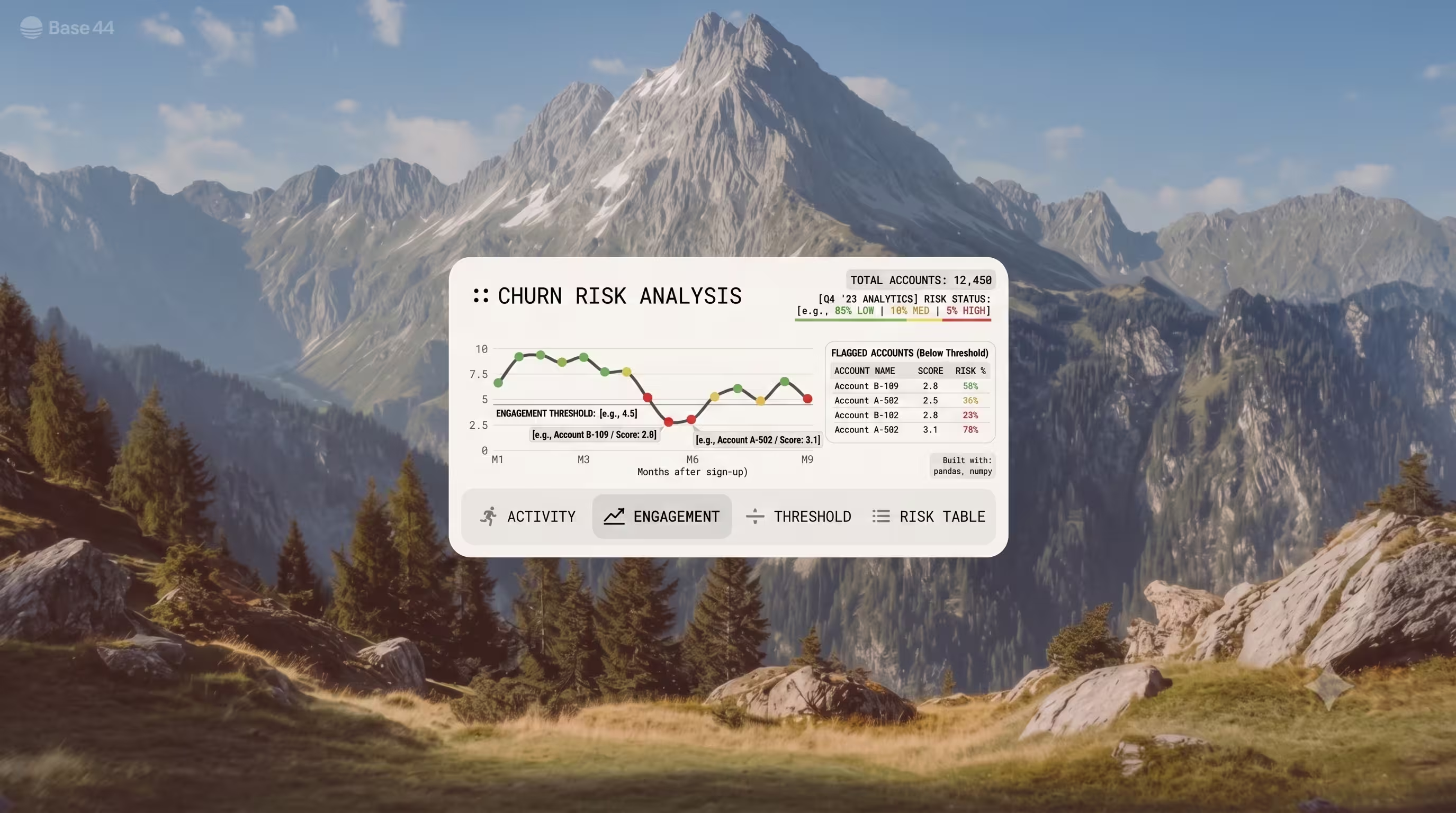
Identify accounts at risk of churning based on activity patterns. Computes engagement scores and flags accounts below threshold with a risk table.
PricingQuantum Lab
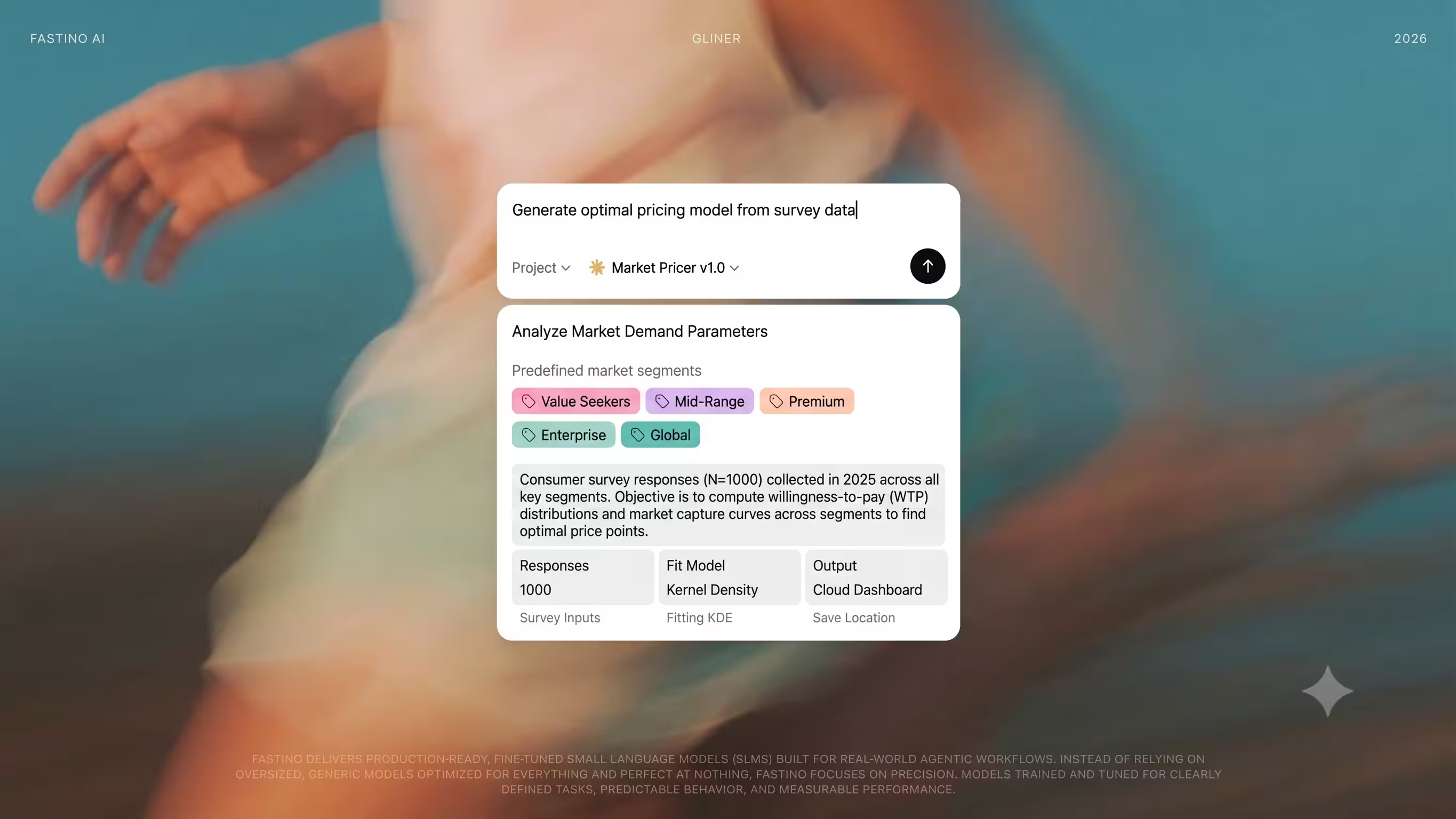
Analyze survey responses to find optimal price points by segment. Computes willingness-to-pay distributions, income bracket analysis, and market capture curves.
PricingQuantum Lab
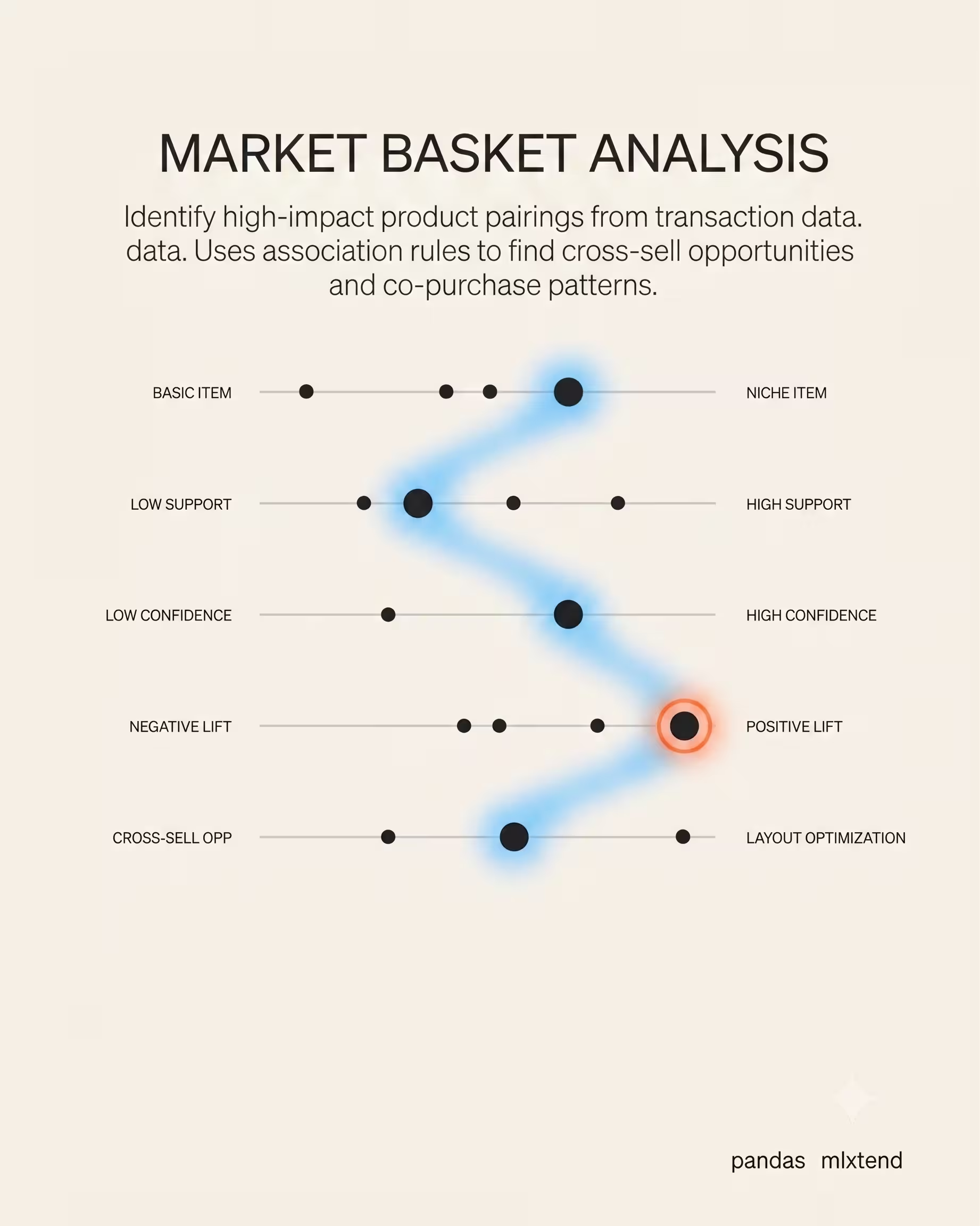
Identify high-impact product pairings from transaction data. Uses association rules to find cross-sell opportunities and co-purchase patterns.

OperationsQuantum Lab
Automated weekly KPI tracking for key business metrics. Pulls from your warehouse, computes week-over-week changes, and renders a chart dashboard.
Open Quantum Lab and begin from any template, or ask Kole to build a notebook from your question.
Open Quantum Lab